

———
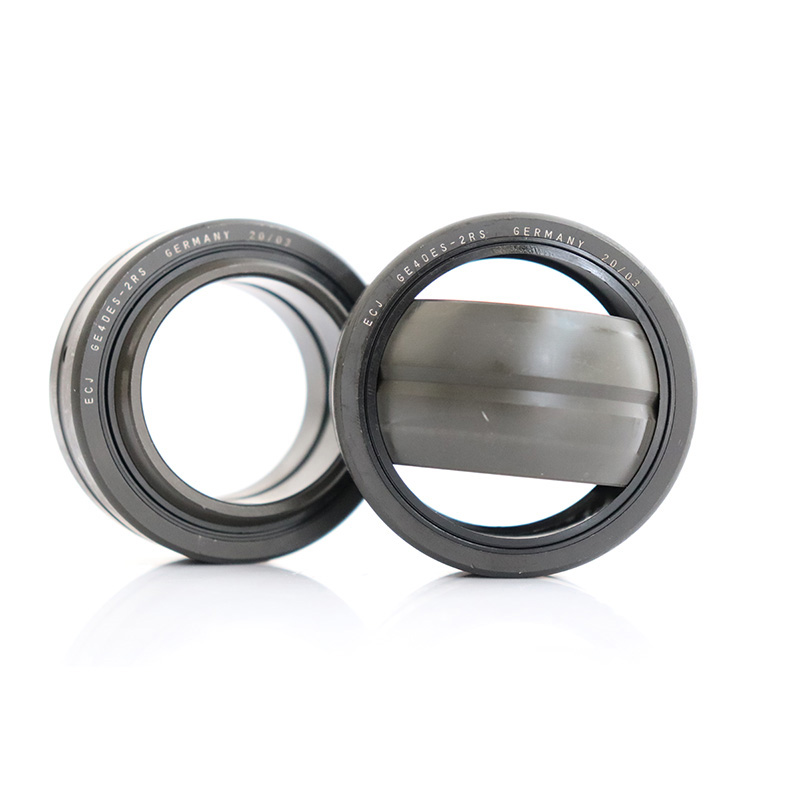
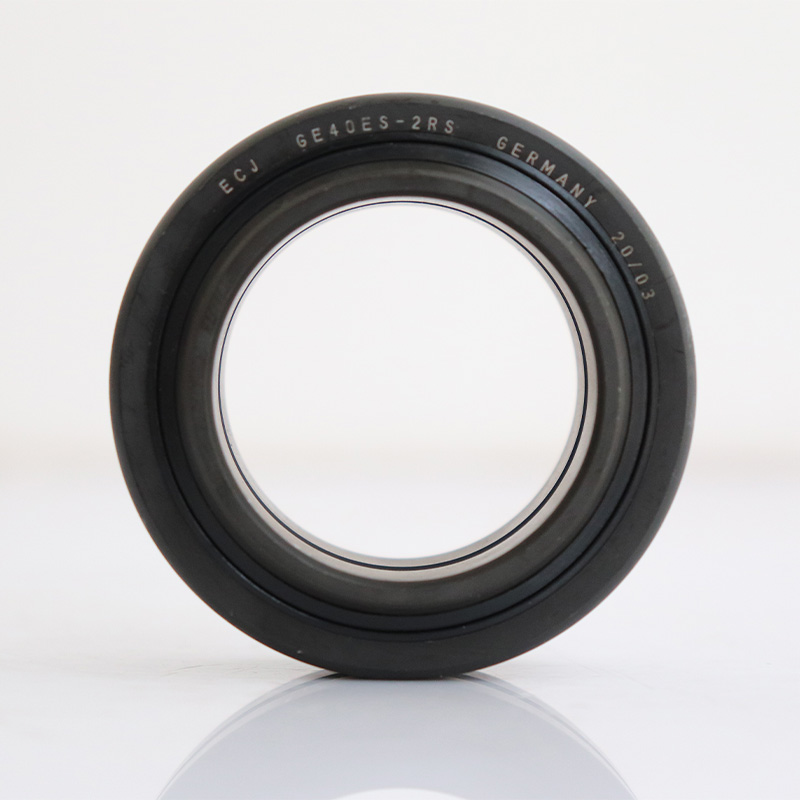
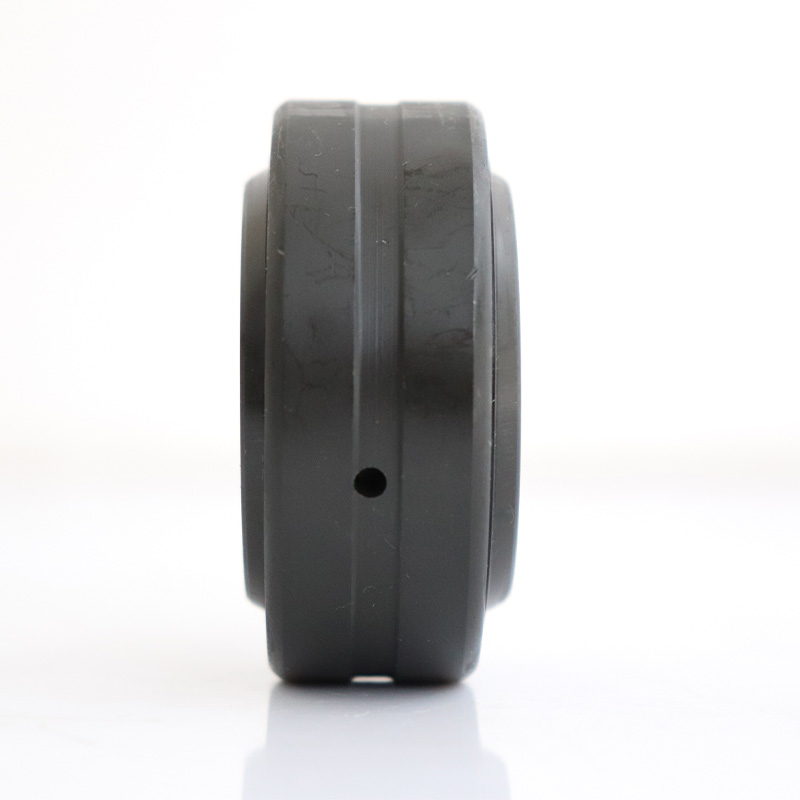
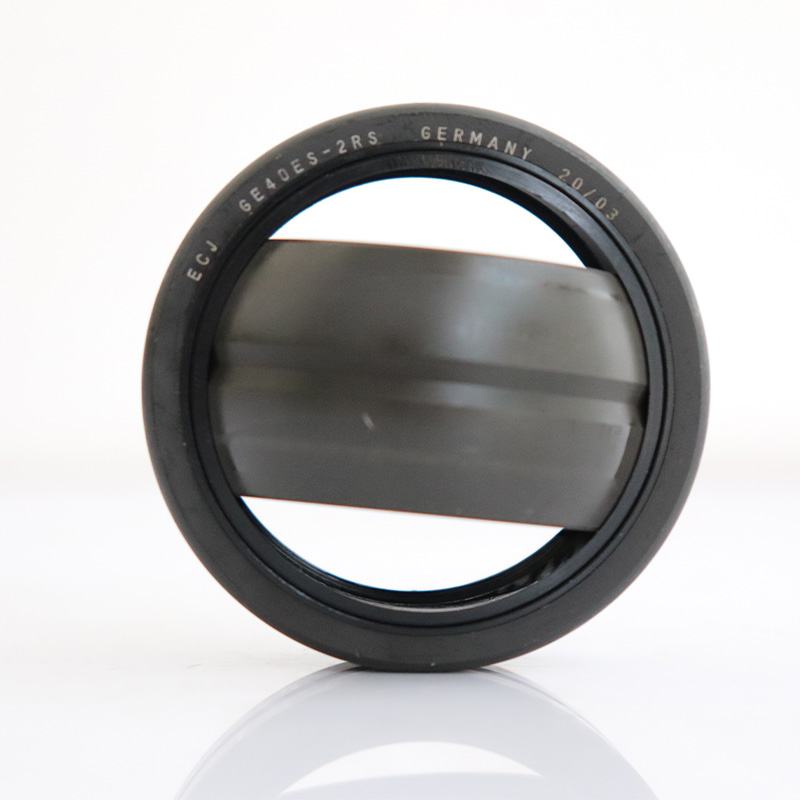
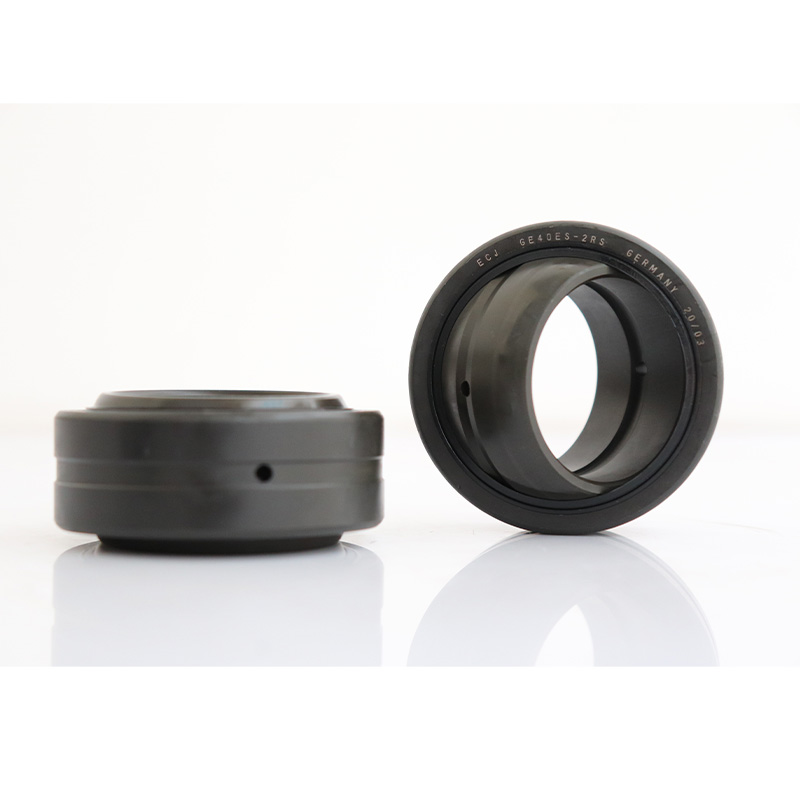
The structure of joint bearings is simpler compared to rolling bearings, mainly composed of an inner ring with an outer spherical surface and an outer ring with an inner spherical surface assembled together. Joint bearings are commonly used for low-speed swinging motion (angular motion), with a spherical sliding contact surface that can complete tilting and centering motion within a certain angle range. Even if there is a large concentric deviation between the supporting shaft and the shaft housing hole, they can operate smoothly.
Introduction to Joint Bearing Products
The structure of joint bearings is simpler compared to rolling bearings, mainly composed of an inner ring with an outer spherical surface and an outer ring with an inner spherical surface assembled together. Joint bearings are commonly used for low-speed swinging motion (angular motion), with a spherical sliding contact surface that can complete tilting and centering motion within a certain angle range. Even if there is a large concentric deviation between the supporting shaft and the shaft housing hole, they can operate smoothly.
Product Features
Joint bearings can bear large loads, and depending on their model and structure, they can withstand radial loads, axial loads, or combined loads of radial and axial synchronous effects. Partial bearings are embedded with composite materials on the inner and outer spherical surfaces, which can achieve self-lubricating during operation. The product is suitable for low-speed swing and low-speed rotation working conditions, and can perform tilting motion within a certain angle range. It is suitable for use in environments where the concentricity deviation between the supporting shaft and the shaft housing hole is large; Self lubricating joint bearings can be adapted to industries such as water conservancy and professional machinery.
Application Scenarios
Joint bearings can be adapted to various industries such as engineering hydraulic cylinders, forging machines, construction machinery, automation equipment, automotive shock absorbers, and water conservancy machinery. Joint bearings belong to spherical sliding bearings, and the basic style consists of inner and outer rings with spherical sliding contact surfaces. Combined with different structures and models, they can withstand radial loads, axial loads, and combined loads of radial and axial forces.
Recommended Products
Online Consultation