
———
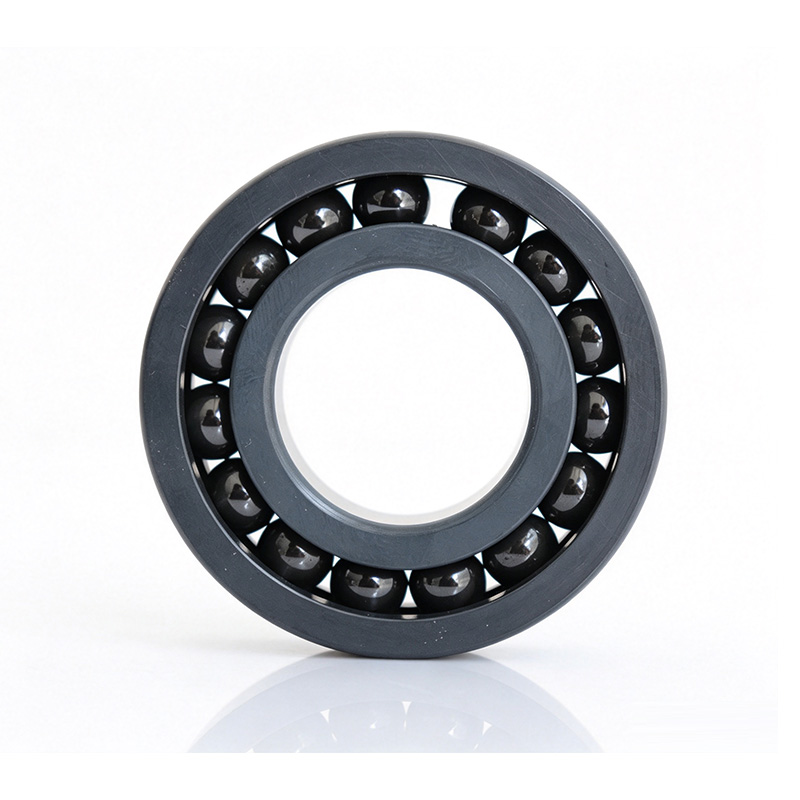
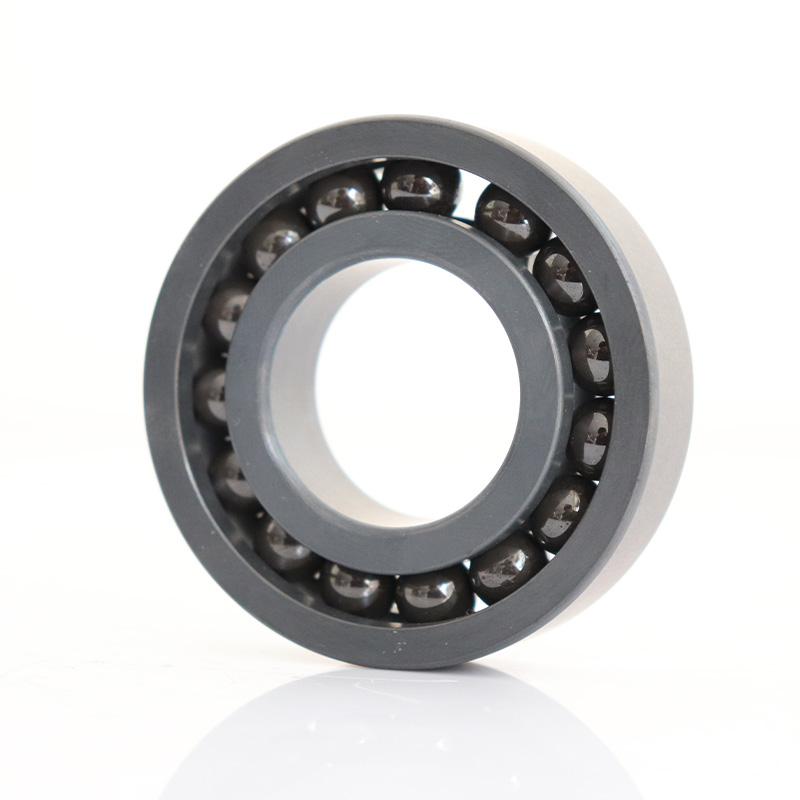
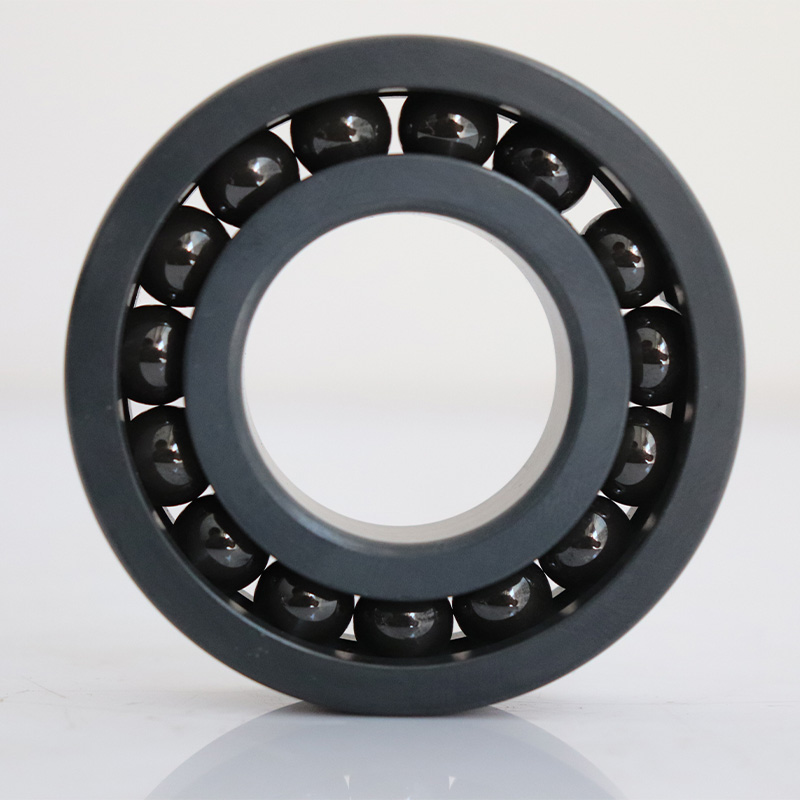
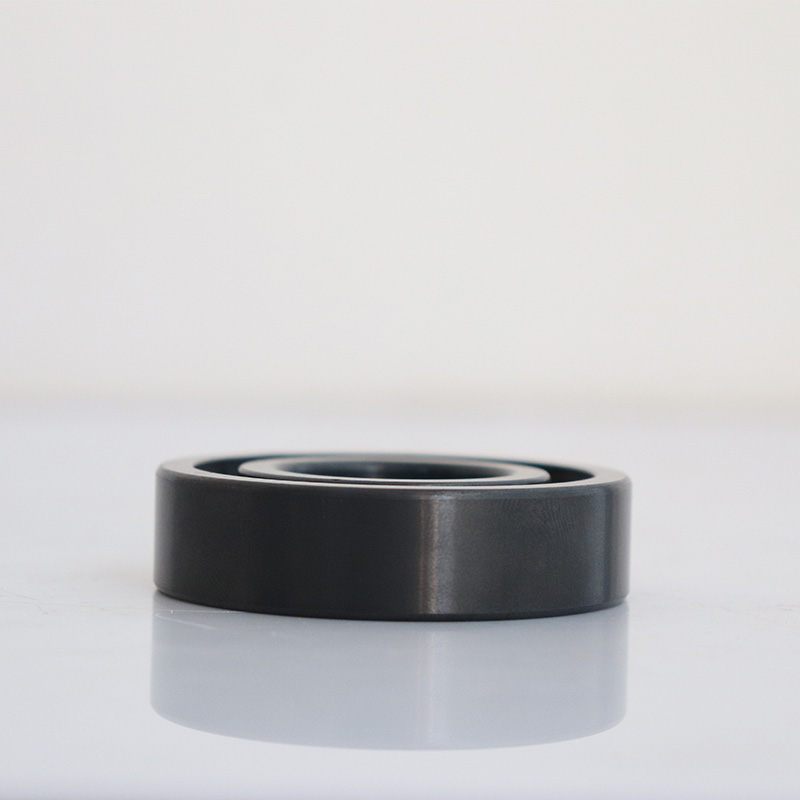
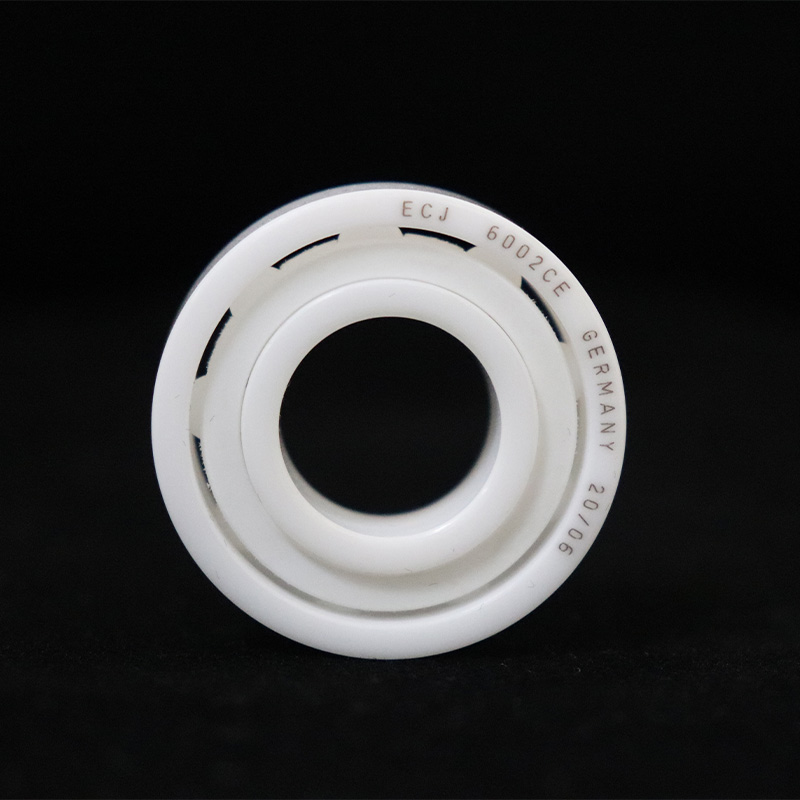
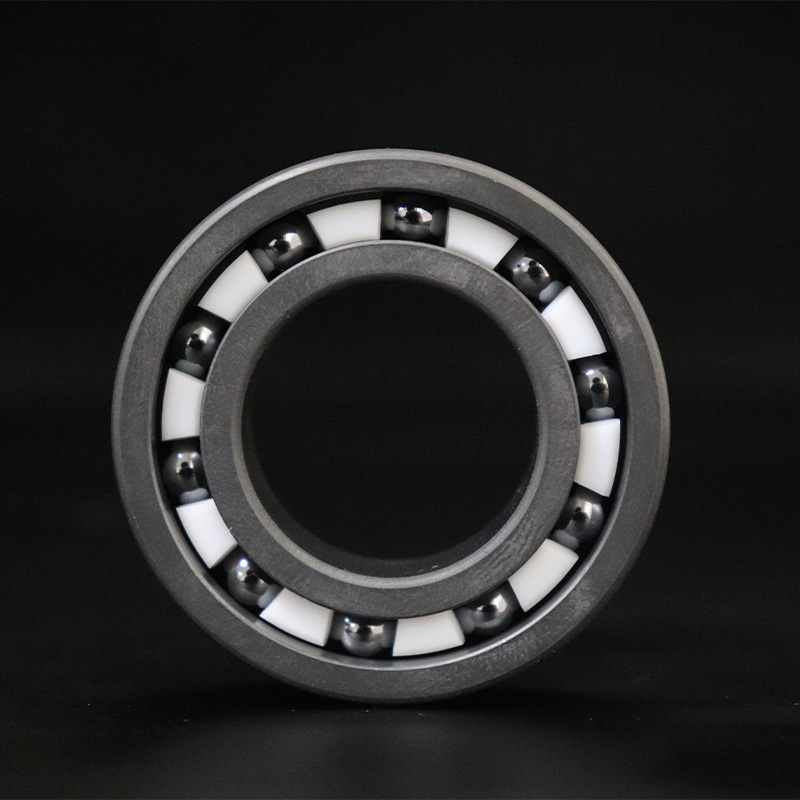
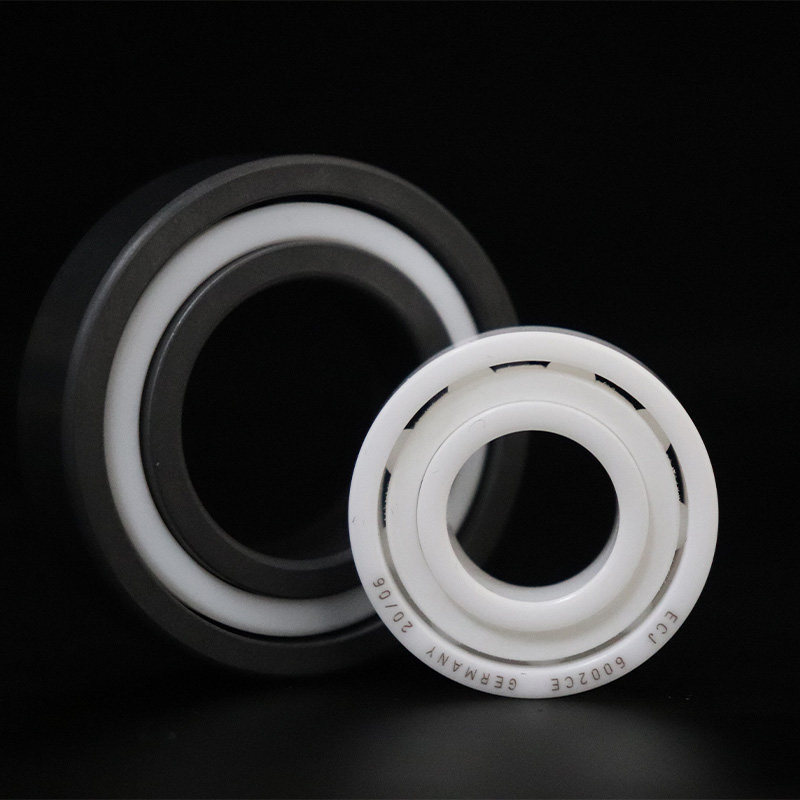
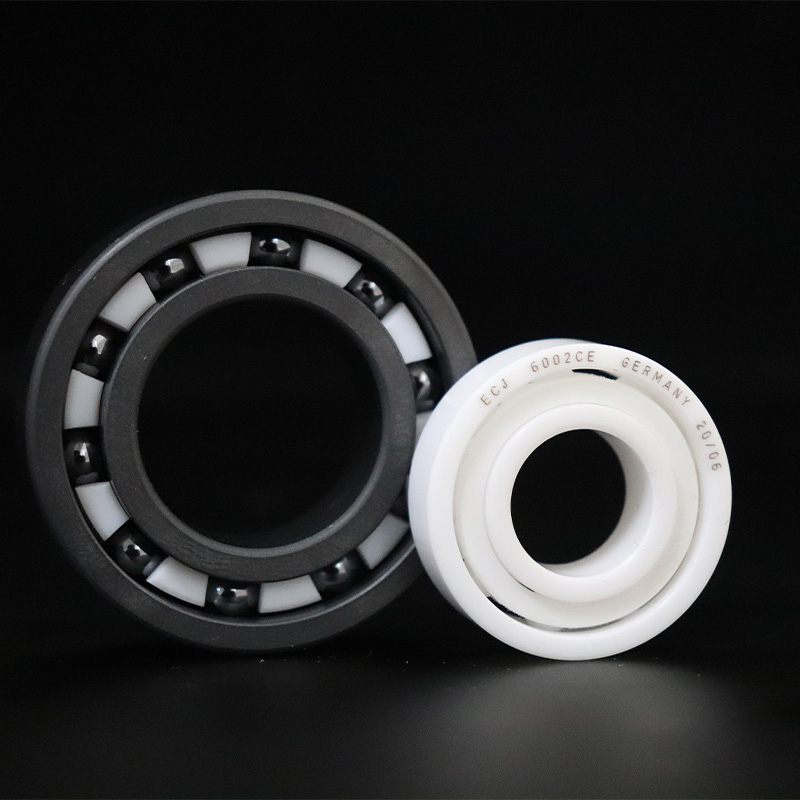
High temperature bearings have multiple usage characteristics compared to conventional bearings: they have better load-bearing performance and can withstand greater pressure; Has antioxidant and corrosion-resistant properties, can operate stably under humid and rainy conditions, and is not easily corroded; High hardness, good wear resistance, and long-term use can maintain a smooth and polished appearance; It can withstand strong impacts, is not prone to biting problems, and has a temperature resistance specification of up to 500 ℃ and 800 ℃. Under high temperature conditions, various performance can be stably maintained, and the original use effect can be exerted normally; High temperature bearings come with self-lubricating properties, and can operate at low speeds without the need for additional lubricating media. They can withstand loads about 1.4 times that of conventional bearings, and their average service life is significantly improved compared to conventional bearings.
Based on the above usage characteristics, high-temperature bearings are suitable for various application scenarios and have a wide range of applicability. In daily production scenarios, high-temperature bearings are often paired with electric tools and hot air production equipment; High temperature bearings are used in the production equipment of decorative building materials such as ceramic raw materials, plastics, cement, and machine bricks; Glass and refractory material processing and manufacturing equipment can also be matched with this type of bearing; High temperature operation equipment such as drying equipment, vacuum equipment, metallurgical equipment, chemical equipment, metal heat treatment high-temperature processing machinery, and high-temperature bearings are all important supporting components.
Recommended Products
Online Consultation